Documents needed to sell gold (or to “pawn” it, as many people say)
An ID card or passport, nothing else. What is recorded when we buy gold, why, and what you keep afterwards.
How value is arrived at for gold, coins, jewellery, silverware and gemstones, and what gets checked before any offer is made.
An ID card or passport, nothing else. What is recorded when we buy gold, why, and what you keep afterwards.
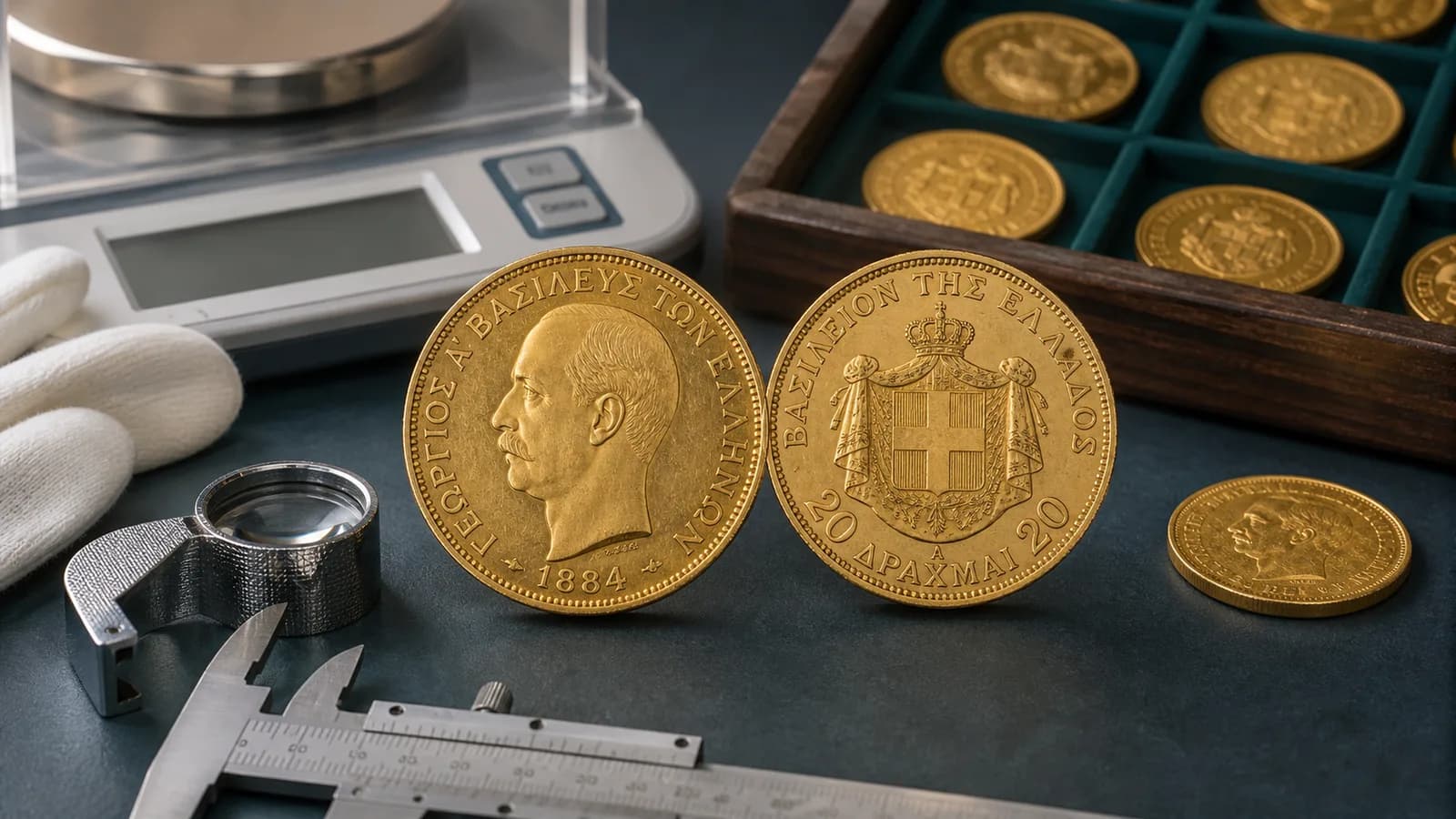
Identification comes before price. How date, issue, condition and authenticity each affect a Greek gold coin differently: colour proves nothing.
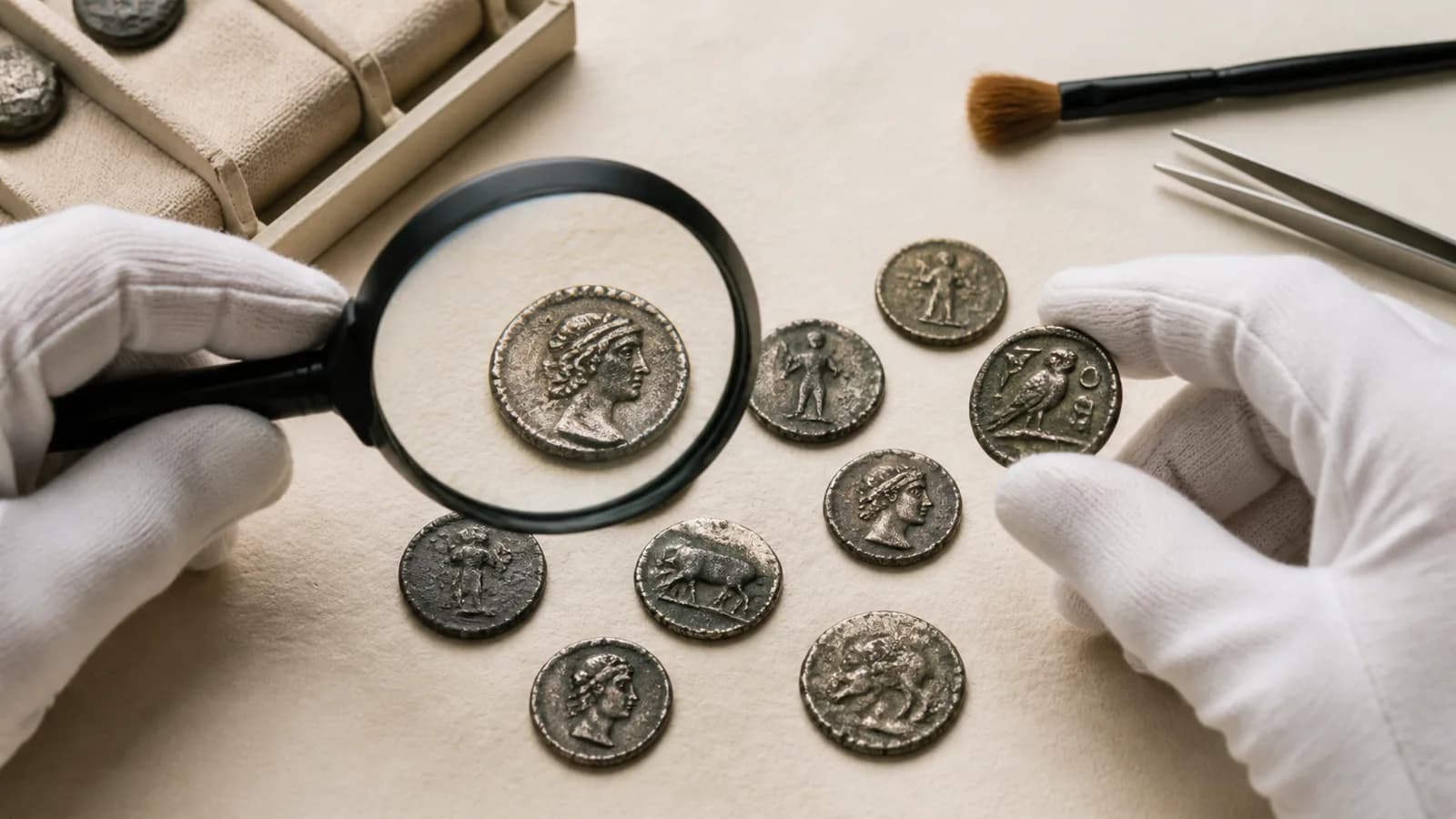
Age is not value. Metal, year, condition, rarity, demand and authenticity: what actually counts when a Greek coin is assessed.

Many people say “pawn shop” and mean a shop that buys gold. We buy outright: cash in hand, no loan, no interest, no deadlines.
The terms you will hear during an appraisal, explained plainly: karats, net weight, spot, spread, margin. Definitions never replace inspection.
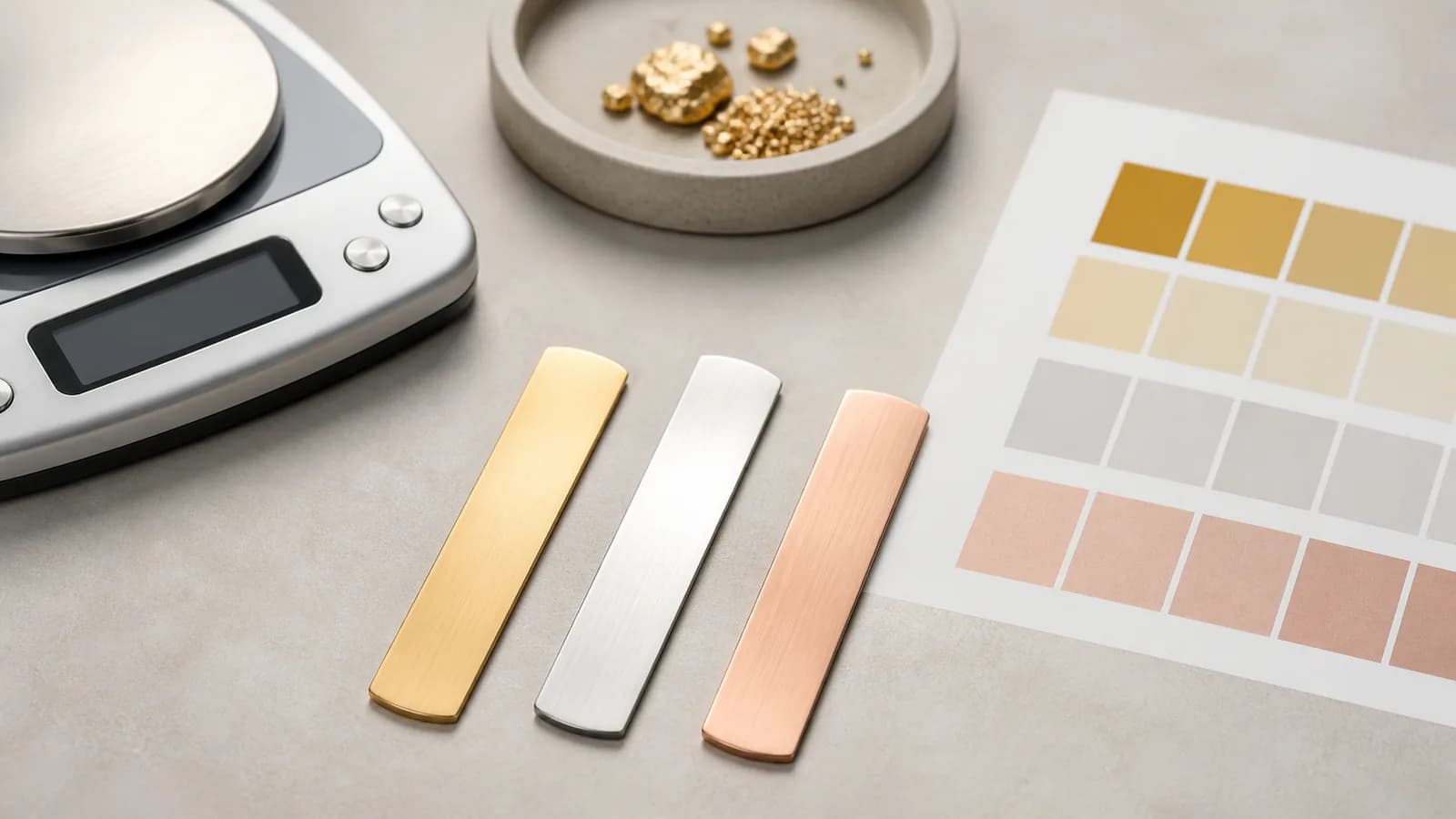
Alloy colour does not change value. White and rose gold are appraised on purity and net gold weight, exactly like any other piece.
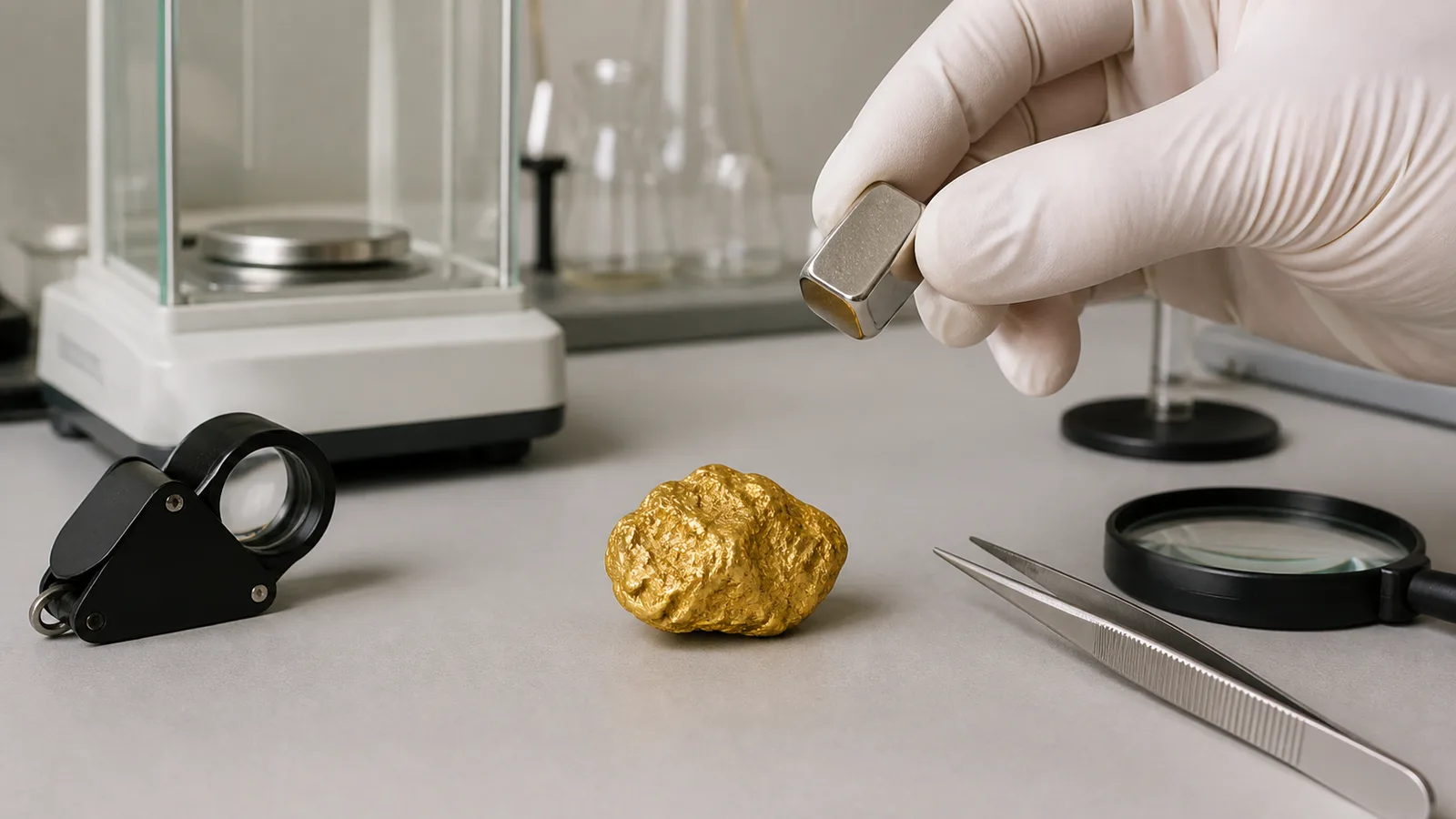
Pure gold is not magnetic, but a magnet proves neither authenticity nor purity. What the test actually shows, and what has to follow it.
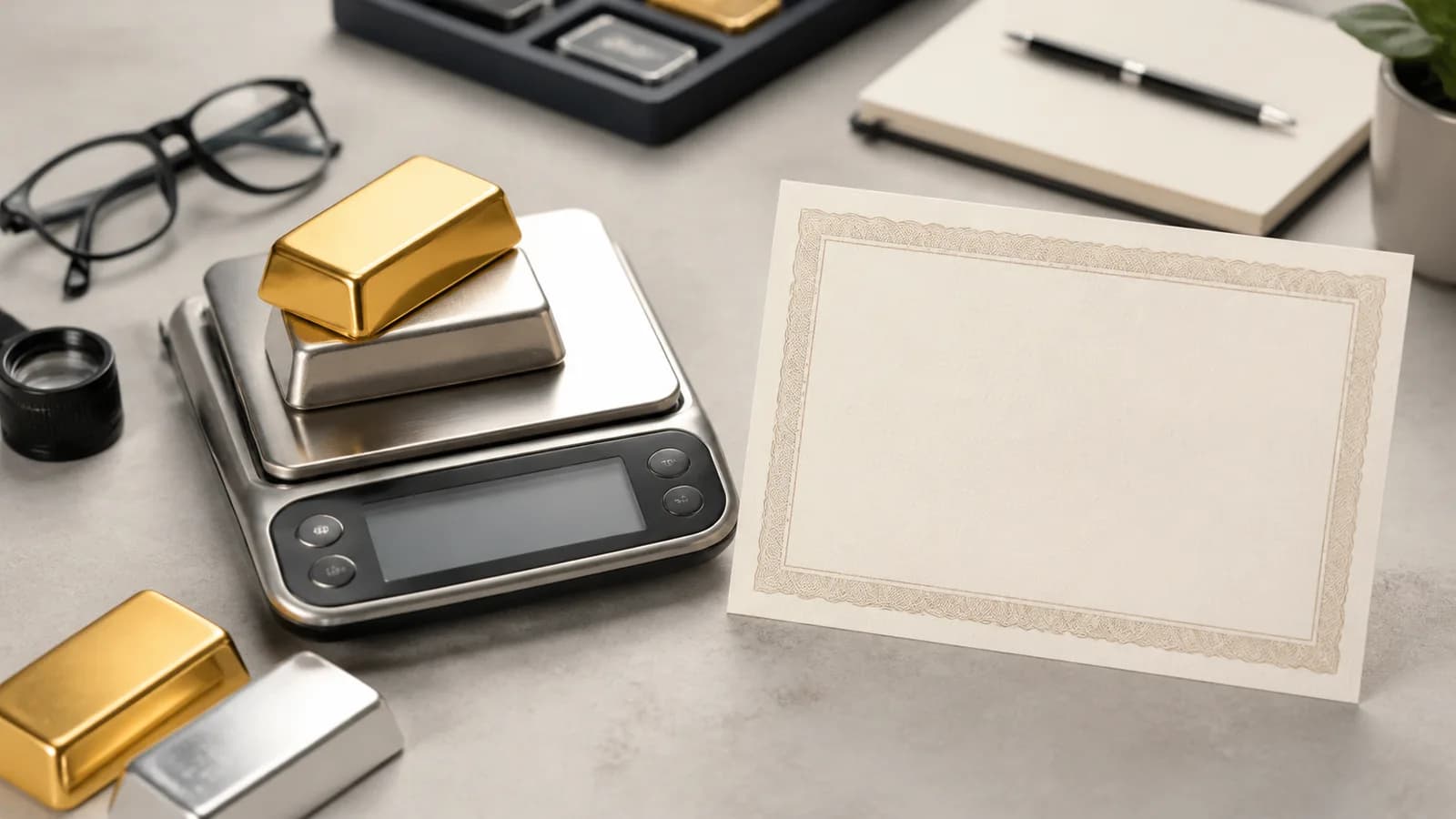
Weight, purity, certification, packaging condition and the live metal price: what gets examined when you sell a gold or silver bar.
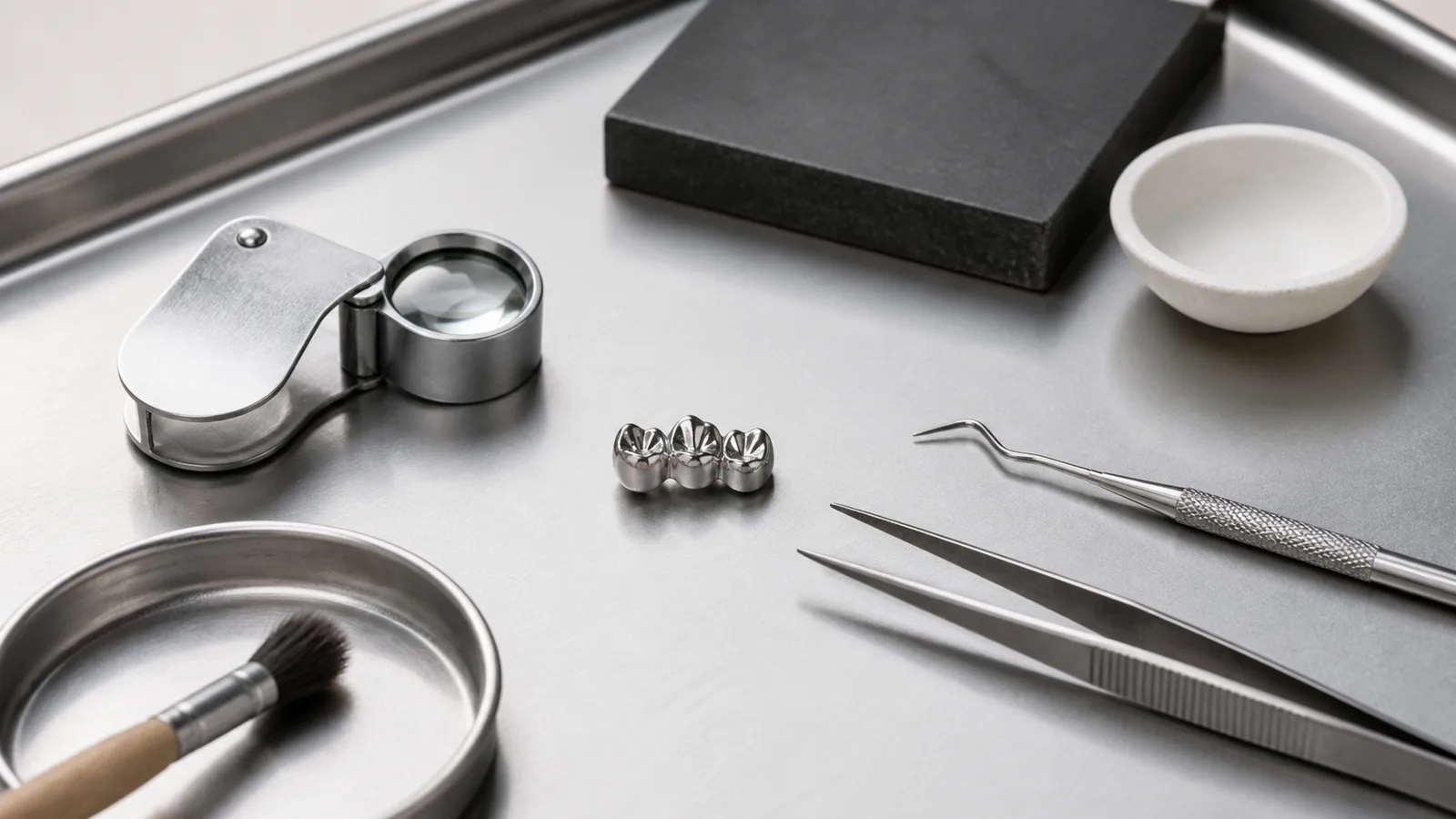
Dental gold can be worth something, but purity varies by alloy. Why appearance settles nothing and metal testing is what produces a figure.